Can there be any good news about weeds? Turns out, yes, but not much…

MEDIA RELEASE August 9, 2026
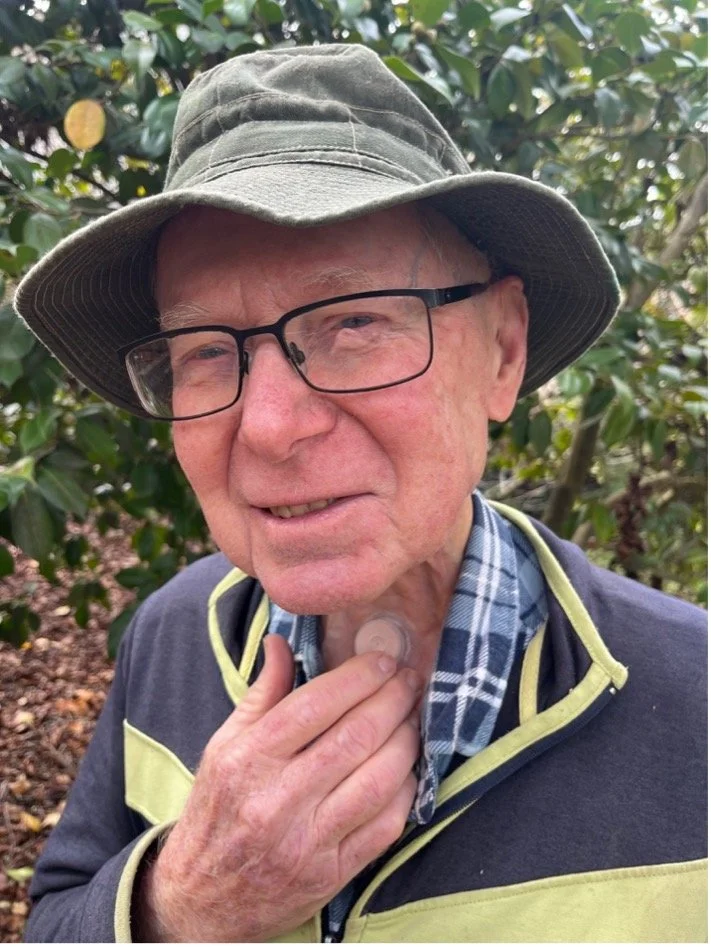
Wandering Trad (Tradescantia fluminensis) has been named a Weed of National Significance (WoNS), following a nomination from Nangana Landcare Network, led by local conservationist Bill Incoll OAM.
The listing was confirmed last week by the National Established Weed Priorities Steering Committee which this year assessed 35 nominations against detailed national criteria. Wandering Trad was one of just 14 species named a national weed priority, and one of 15 that met the assessment criteria overall. The National Established Weed Priorities initiative is run by the Environment and Invasives Committee and guided by the National Established Weed Priorities Steering Group, with the aim of improving coordination of weed management across Australia.
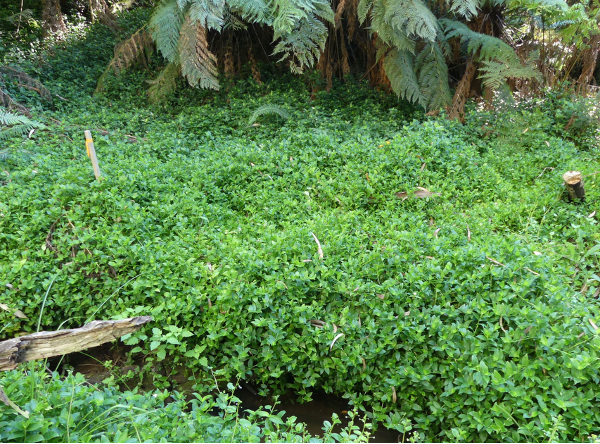
Wandering Trad is one of the most serious weeds facing the Yarra Valley and Dandenong Ranges, a recognised national hotspot for the species. It spreads by vegetative growth into dense, matted carpets that smother the forest floor, and it can invade deeply shaded rainforest gullies that most other weeds cannot establish in. The impact is greatest along creeks where infestations degrade habitat and significantly reduce native vegetation diversity.
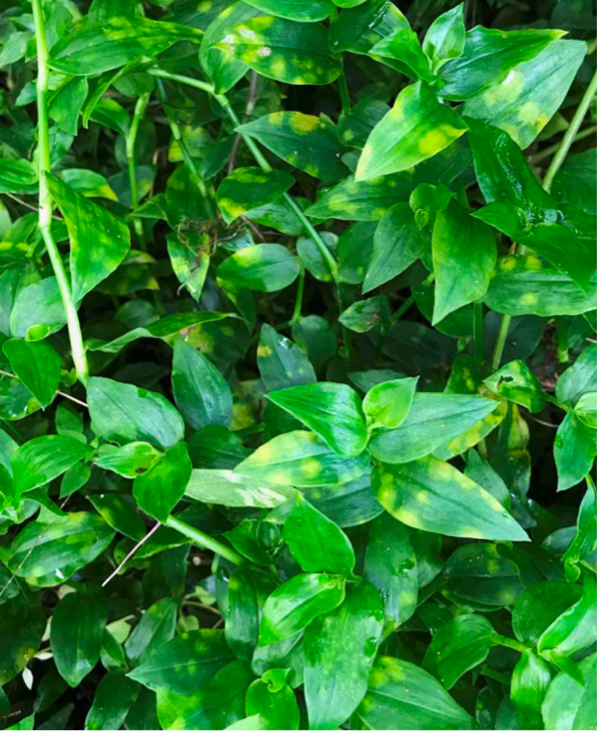
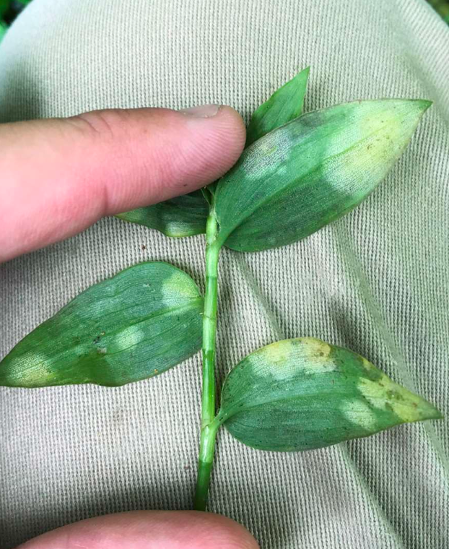
Bill Incoll, with the Community Weed Alliance of the Dandenongs, worked with CSIRO for many years to develop a biological control agent, the leaf-smut fungus Kordyana brasiliensis, which infects Wandering Trad and gradually reduces its vigour without harming native species. He established the first monitoring plots near Monbulk and Belgrave and has led the bulk of the releases across the region, including along Sassafras, Ferny, Mast Gully and Emerald Creeks. Following a CSIRO community workshop in May 2019, the fungus has continued to spread and establish, with some infected stands showing visibly reduced vigour within two years. Bill was awarded an OAM for service to the environment, and to the community of the Dandenong Ranges.
“I’m happy to see Tradescantia fluminensis be recognized as a weed of national significance” he said. “I’d be happier if it came with funding to assist its eradication.”
It is a sentiment echoed by the Invasive Species Council which estimates the measurable annual cost of invasive species to Australia, drawing on CSIRO data, at more than $24.5 billion, with weeds among the largest contributors alongside feral animals. The Council's chief executive, Jack Gough, has argued that invasive species management in Australia has long been undermined by short-term funding cycles and a lack of coordinated strategy.
“There are hundreds of weeds on Australia's invasive species list, and it's a genuinely scary read,” said Jenny Lyndon, VP of the Nangana Landcare Network. “Even though there is no current funding, it may put Wandering Trad higher up the list for future grants. Bill spent years taking this weed on at a scientific and bureaucratic level to deliver a biocontrol, and it's gratifying to see that work recognised.”
A number of groups provided support for the nomination, including Yarra Ranges Council, Cardinia Shire Council, Parks Victoria, the National Landcare Network, and the NSW Weed Society. It’s important for groups to work together because environmental weeds outpace the resources available to contain them. Nangana will track developments and funding opportunities so that decades of volunteer labour become a building block for lasting landscape recovery.
ENDS
Media contact:
Jenny Lyndon, Vice President/Secretary, Nangana Landcare Network
info@nangana.net | 0418 370 523